
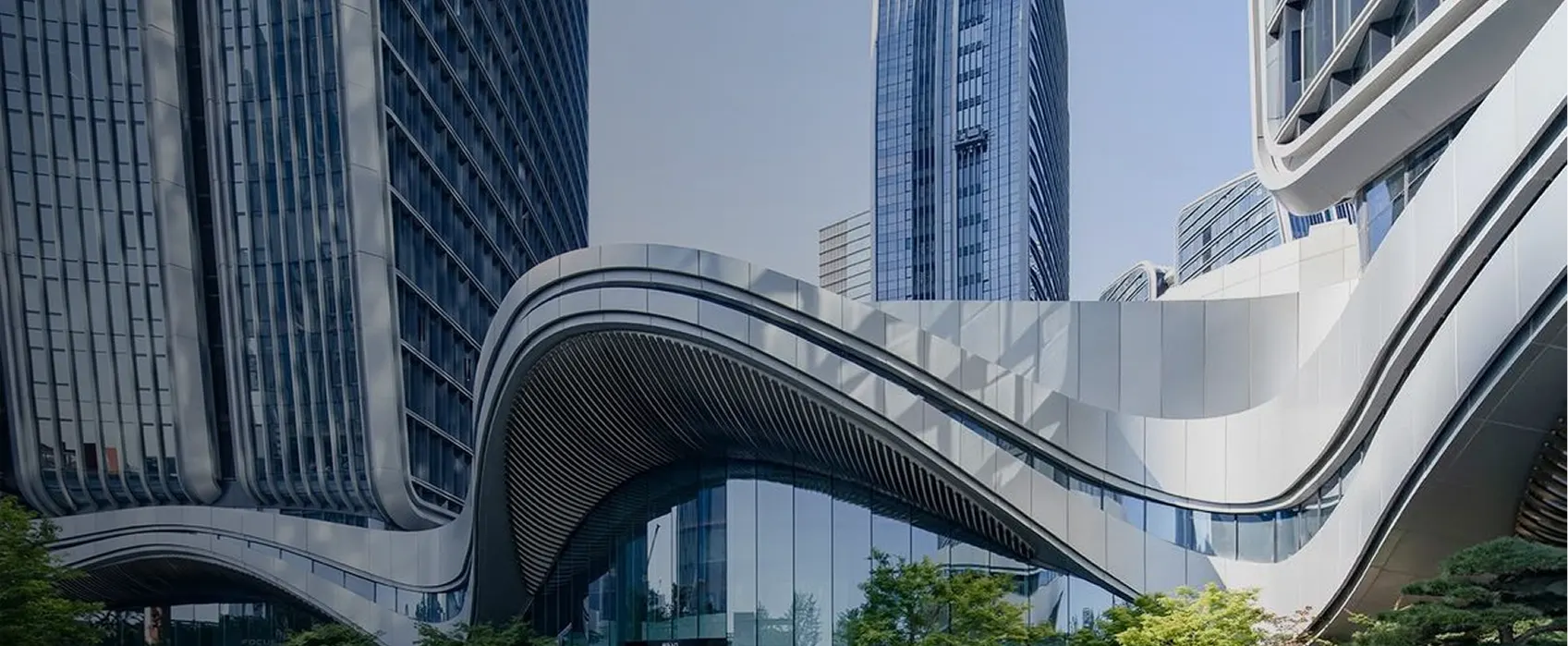
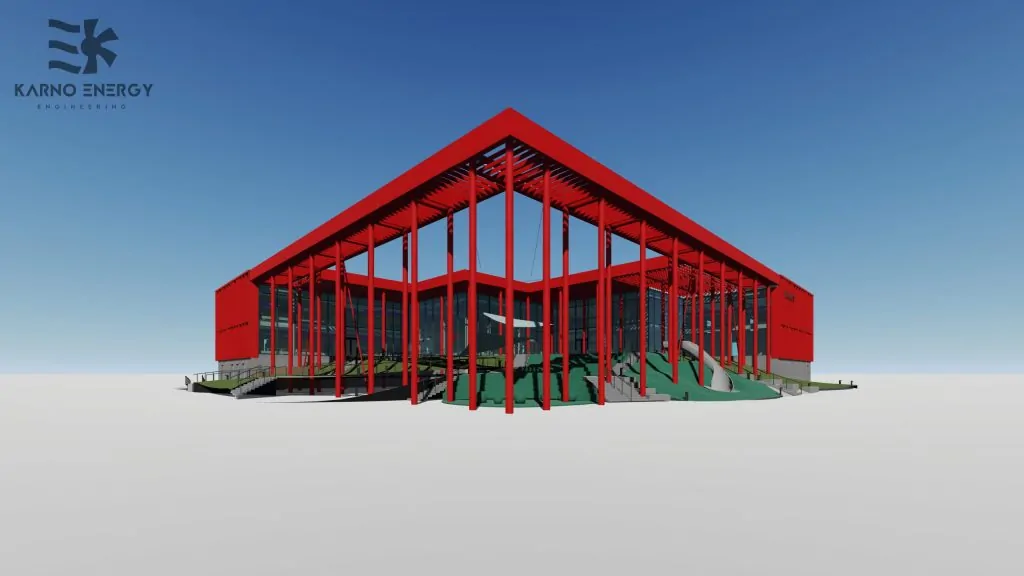
Punane 17, Estonia
Comprehensive BIM Modelling & Coordination for a Multi-Functional Public Building
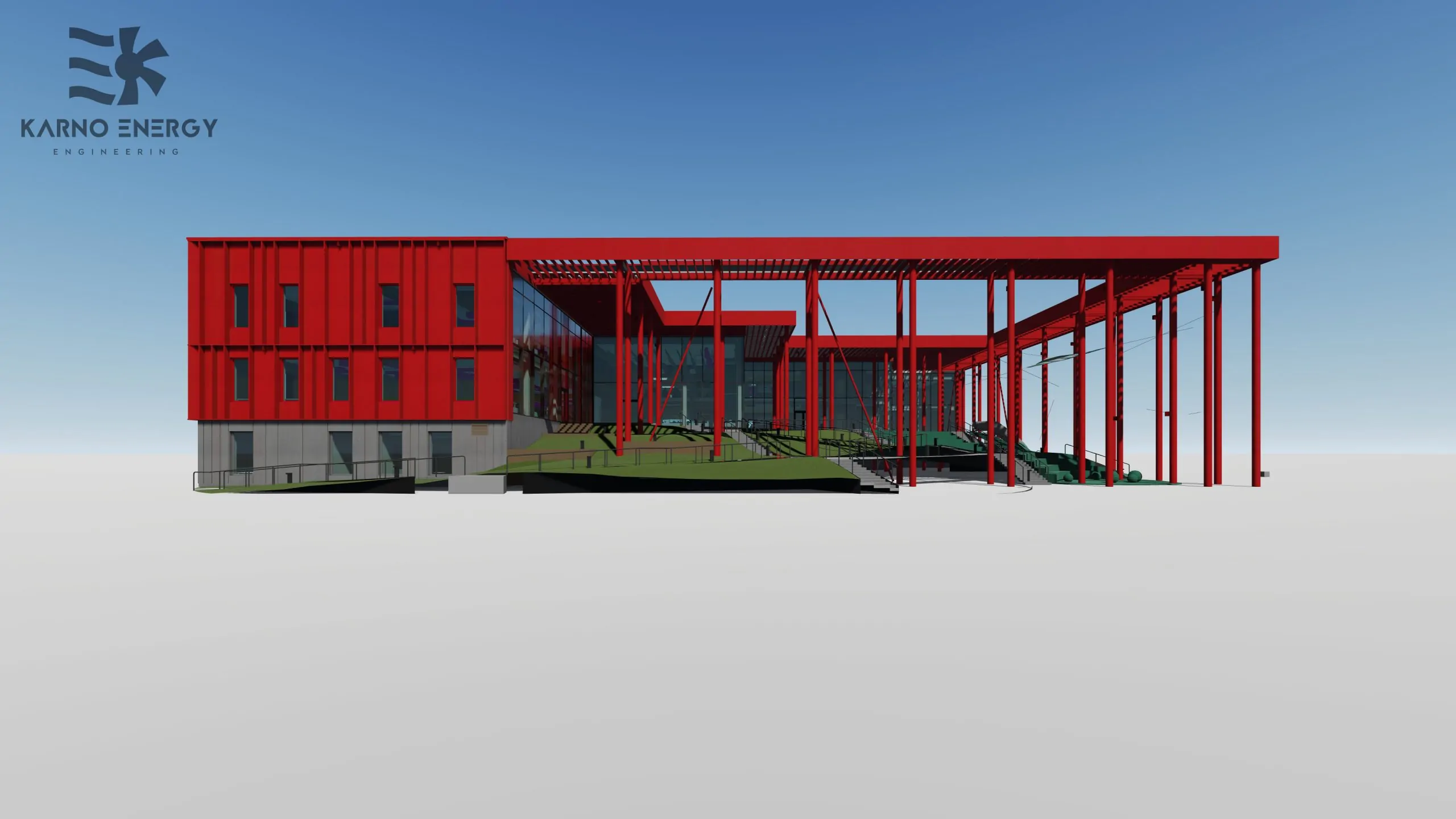
A large-scale government development in Tallinn, Estonia, focused on the design, calculation, and coordination of engineering systems. The project combined healthcare, educational, recreational, and community spaces within a fully coordinated BIM environment.
Comprehensive Modelling & Coordination Of All Engineering Systems
4 BIM Engineers
6 months
Punane 17 is a government-funded development located in Tallinn, Estonia. The facility was designed as a multi-functional public building that combines healthcare services with community-focused spaces including a library, youth centre, gymnasium, conference rooms, seminar areas, and educational facilities.
The project required comprehensive engineering design, system calculations, BIM coordination, and construction documentation to ensure efficient building performance and long-term operational reliability.
[ Challenges ]
Design Optimization Across Multiple Building Functions
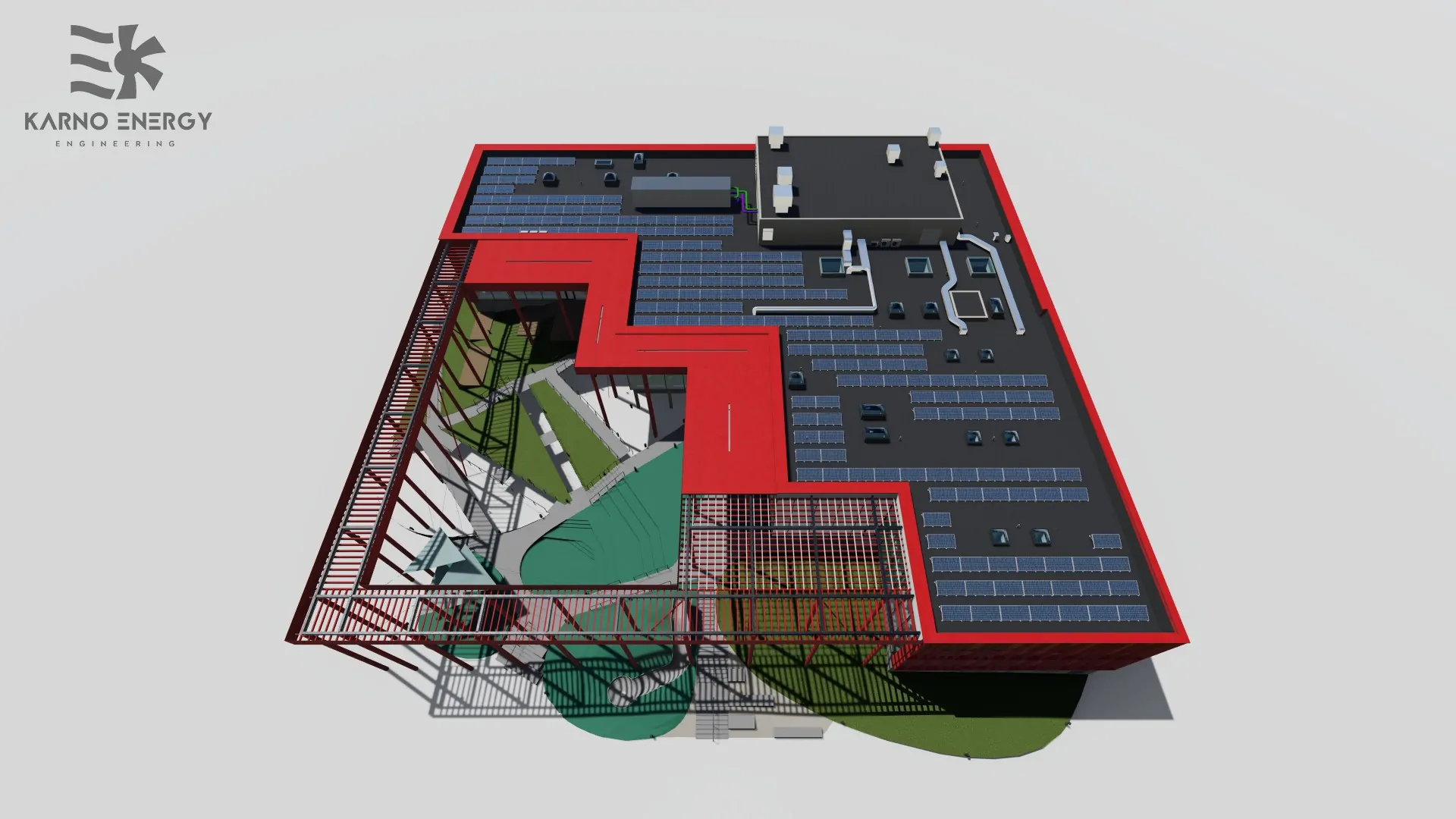
The building combined healthcare, educational, recreational, and public spaces, each with different engineering requirements and operational conditions.
- Heating and cooling requirements varied by zone
- Ventilation strategies differed between building functions
- Public health systems required careful integration
- Multiple stakeholders influenced design decisions
Without proper coordination, this would normally result in:
- Repeated design revisions
- Increased engineering complexity
- Delays in coordination approvals
- Higher project costs
Coordination Under Continuous Design Development
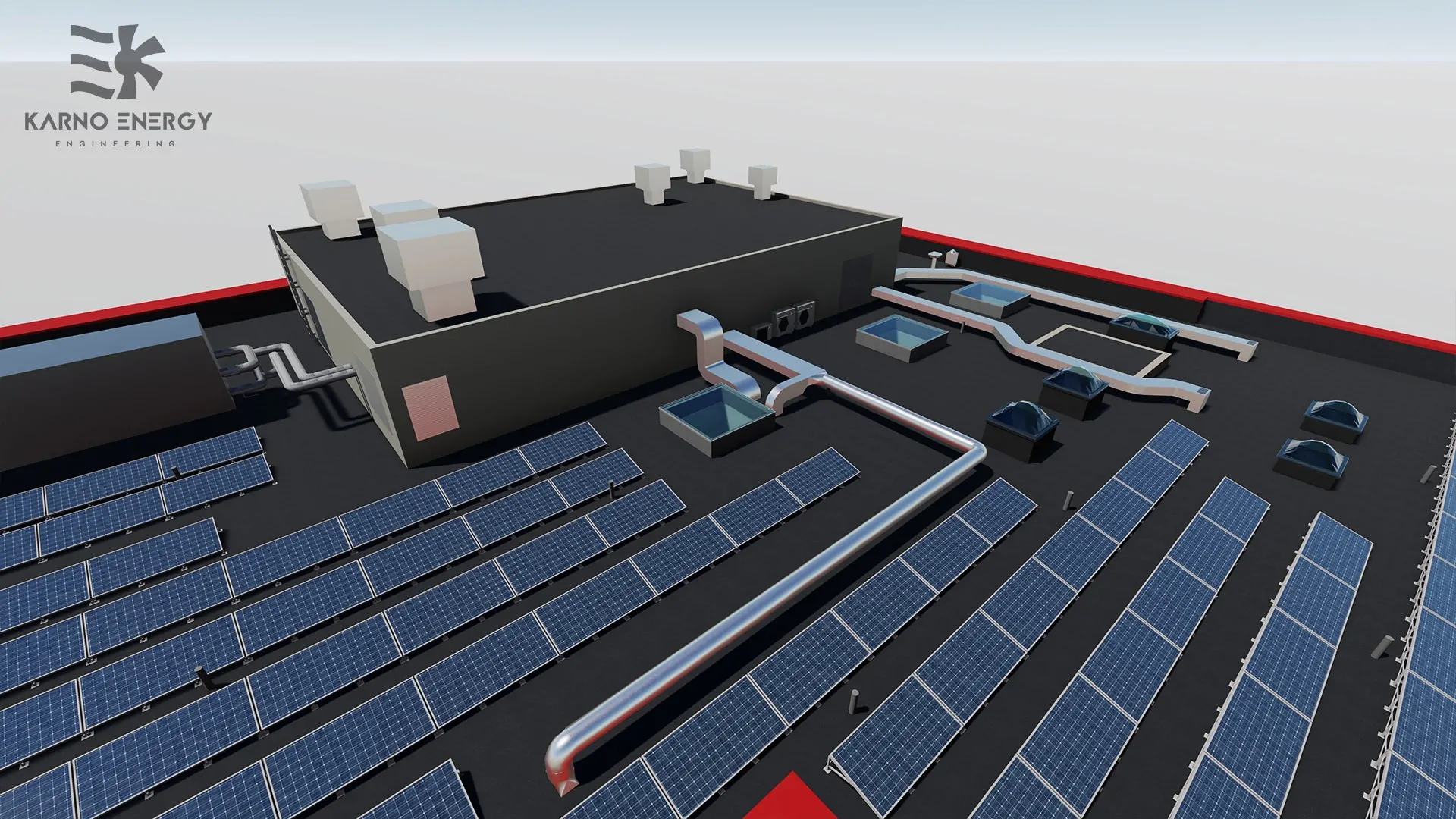
The project required simultaneous development of architectural, structural, and engineering disciplines. As the design evolved, engineering systems had to be continuously reviewed and adjusted.
- Architectural updates during modelling
- Structural changes affecting routing
- Ongoing MEP coordination activities
- Frequent clash resolution sessions
This created risks such as:
- Rework of completed systems
- Reduced modelling efficiency
- Increased coordination workload
- Programme delays
Achieving the Most Efficient Engineering Solution
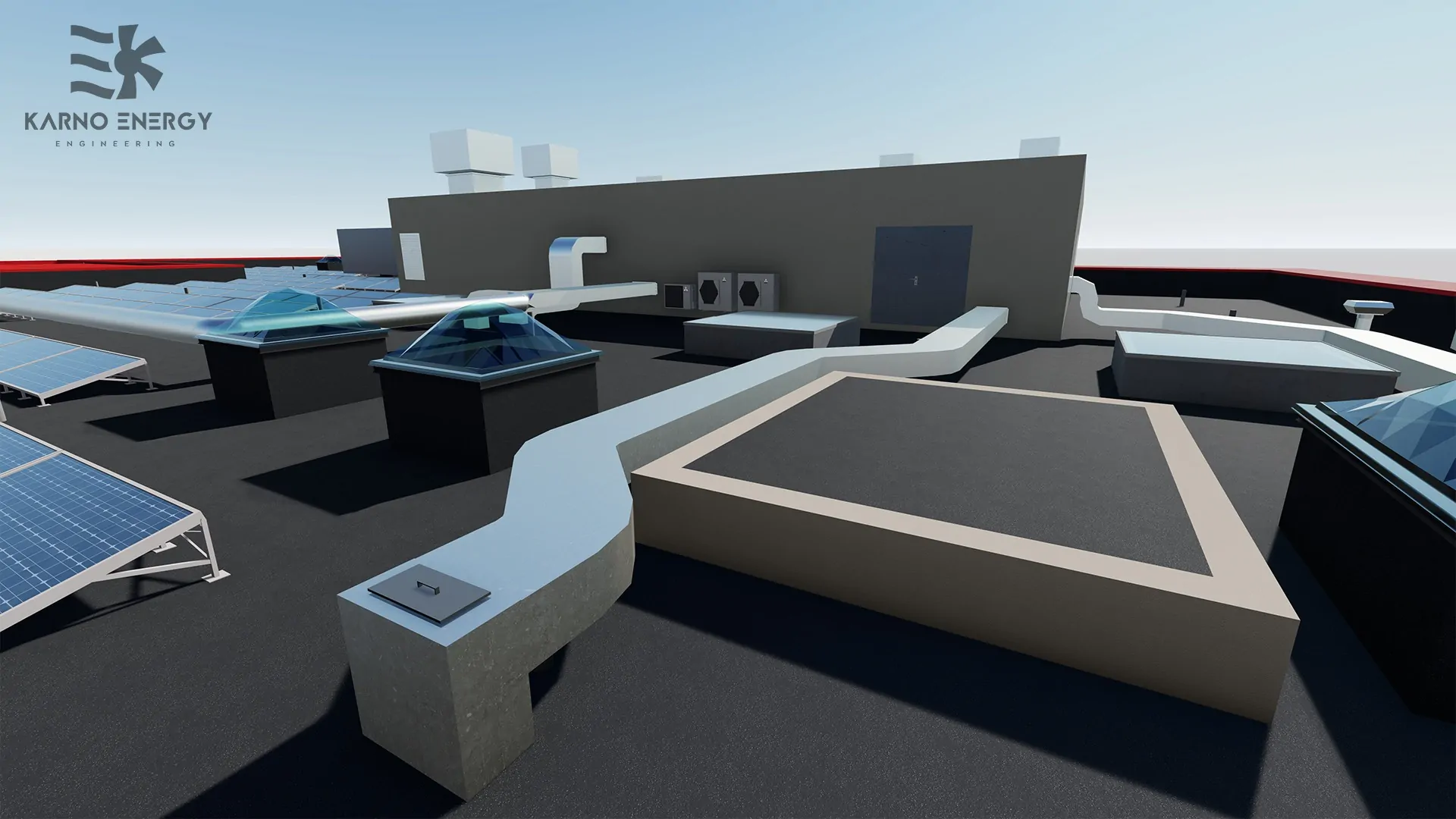
The client required not only a coordinated BIM model but also the most efficient and cost-effective engineering systems possible. Multiple design options had to be assessed before final approval.
- HVAC system calculations
- Ventilation optimization
- Performance validation using MagiCAD
- Multiple design iterations
Without optimization, this would normally result in:
- Higher operational costs
- Reduced system efficiency
- Increased energy consumption
- Lower long-term value for the client
[ Solutions ]
Engineering-First Design Approach
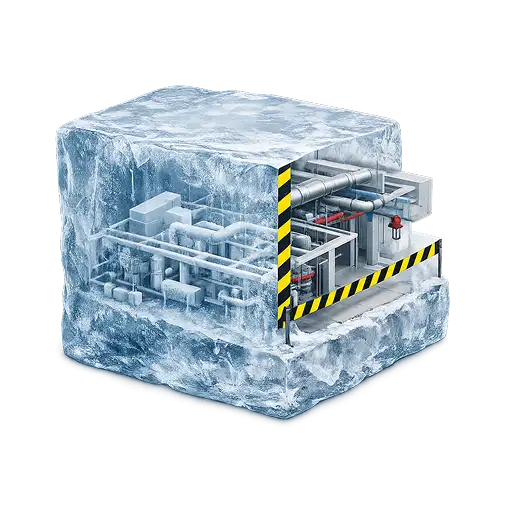
Since the building combined healthcare, educational, recreational, and public spaces, engineering systems required extensive calculations and performance validation to ensure comfort, efficiency, and long-term reliability.
- To achieve the most efficient engineering solution, we established a calculation-driven design workflow:
Advanced BIM Modelling
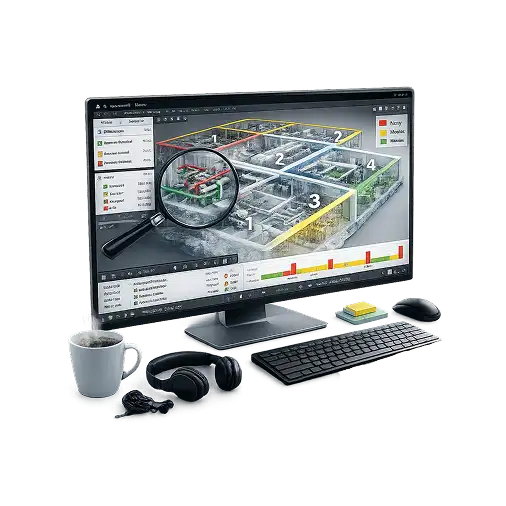
After the engineering calculations were completed, all systems were modelled in Autodesk Revit to LOD 300, creating a coordinated BIM environment shared across all disciplines.
- BIM development included:
Continuous Coordination Workflow
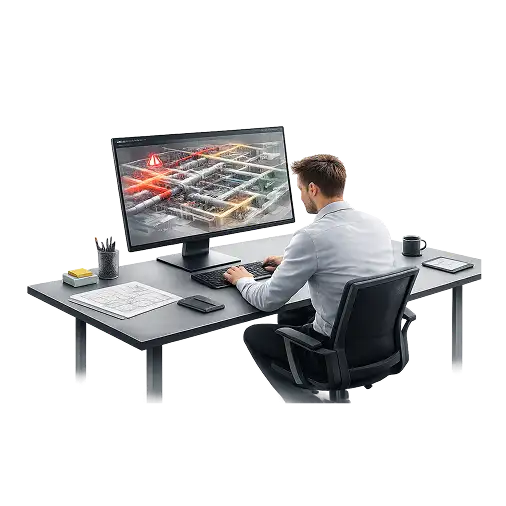
Since multiple engineering systems were being developed simultaneously, continuous coordination was essential to maintain consistency between engineering, architectural, and structural disciplines.
- Coordination activities included:
Clash Detection & Optimization

Navisworks and BIMCollab were used throughout the project to identify clashes, monitor design changes, and continuously improve engineering solutions before construction documentation was issued.
- This allowed the team to:
[ Scope of Work ]
The project scope focused on the design, calculation, and coordination of engineering systems for a 25,000 m² public healthcare development
Using Autodesk Revit, MagiCAD, BIM360, Navisworks, and BIMCollab, our team developed, coordinated, and optimized engineering systems to create a fully integrated BIM model ready for construction.

Design & Calculation of Heating, Cooling and Ventilation Systems

LOD 300 BIM Modelling of MEP Systems
- Heating systems
- Cooling systems
- Ventilation systems
- Public health systems

MEP Coordination & Clash Detection

Construction Documentation & Technical Support
Construction-ready drawings and ongoing engineering support throughout project delivery
[ Delivery Process ]

Engineering Design & System Calculations
The project began with comprehensive engineering calculations and performance analysis for heating, cooling, ventilation, and public health systems to establish the most efficient design strategy.
- So we started with the core engineering requirements:
-
 Heating calculations
-
Cooling system analysis
-
Ventilation performance evaluation
- Following approval, engineering parameters were established for:
-
HVAC systems
-
Public health systems
-
Design standards


BIM Modelling & Coordination
After calculations were completed, all engineering systems were modelled to LOD 300 in Autodesk Revit and coordinated with architectural and structural disciplines.
- Key efficiencies included:
-
LOD 300 BIM modelling
-
MEP coordination
-
Architectural integration
This ensured engineering consistency, reduced coordination risks, and improved overall project efficiency.

Clash Detection & Project Delivery
Navisworks and BIMCollab were used throughout the project lifecycle to identify conflicts, monitor coordination, and maintain design quality before construction documentation was issued.
-
Clash detection reviews
-
BIMCollab monitoring
-
Conflict resolution
The final BIM model and construction documentation were delivered as a fully coordinated and optimized engineering package ready for construction.
[ Results ]
The project resulted in a fully coordinated BIM model, optimized engineering systems, and construction-ready documentation.
Construction Drawings & Output
FINAL PROJECT INFORMATION INCLUDED:
Total project area 25,000 m²
Building type Hospital
Location Tallinn, Estonia
BIM Level LOD 300
The final BIM model was repeatedly optimized and coordinated to achieve the most efficient engineering solution. As a result, the client received a fully calculated and construction-ready BIM package, including:
Heating systems designed and coordinated to LOD 300
Cooling systems optimized for performance and efficiency
Ventilation systems calculated using MagiCAD
Public health systems fully integrated with architectural and structural models
Clash detection performed through Navisworks and BIMCollab
Construction drawings prepared for project execution
Fully coordinated BIM model ready for construction and future operation ENGINEERING SYSTEMS DELIVERED
Heating Systems Designed & Modelled
Cooling Systems Designed & Modelled
Ventilation Systems Designed & Modelled
Public Health Systems Designed & Modelled
Business value
 Fully coordinated BIM environment
Optimized engineering performance
Reduced construction risks
Improved energy efficiency
Construction-ready documentation
Long-term operational value
Fully coordinated BIM environment
Optimized engineering performance
Reduced construction risks
Improved energy efficiency
Construction-ready documentation
Long-term operational value [ Tools & Standards ]
Our workflows follow UK BIM standards to ensure quality, consistency, and seamless coordination across disciplines.







[ Case Study ]
Let’s make BIM great together
We’re always open to new collaborations, partnerships, and engineering challenges.
Whether you’re planning a BIM coordination project, a full MEP design, or need an
external engineering partner — our team is ready to help.
Get a Consultation